Integrating Video Surveillance with Other Security Systems
Jan 1, 2026

Jan 1, 2026
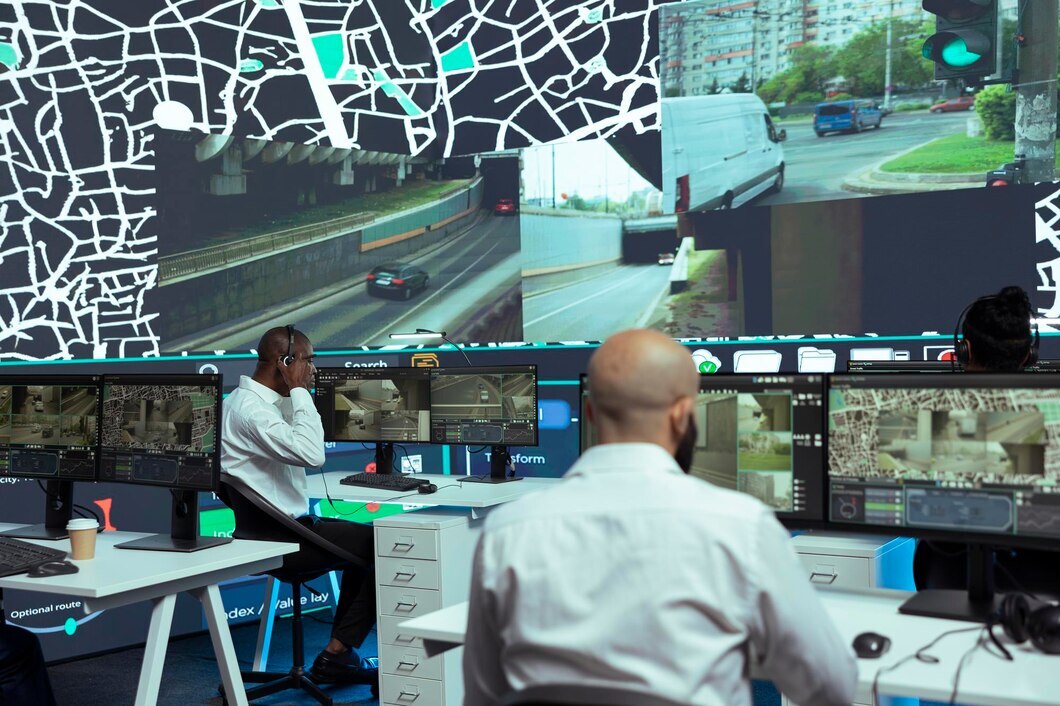
Modern businesses and organizations face evolving challenges in securing their properties, employees, and data. The demand for connected solutions has shifted the focus from isolated tools toward unified systems that work seamlessly together. One of the key areas where this integration becomes crucial is video monitoring combined with other protective technologies. By blending cameras with entry management and alarm networks, companies can achieve a more reliable and proactive security environment.
A growing number of businesses are also investing in access control systems as a cornerstone of their protection strategy. When paired with cameras and other devices, these solutions offer a layered defense that reduces blind spots, strengthens response times, and creates a central hub for monitoring activities across multiple channels.
Integrated security solutions create a cohesive framework where various technologies communicate with each other. Instead of managing video feeds, alarms, and entry points separately, organizations benefit from a centralized system that shares data in real time. This results in improved operational efficiency, cost savings, and quicker incident resolution.
Video monitoring remains one of the most critical components of any security strategy. It not only provides visual verification of incidents but also acts as a deterrent to potential threats. Modern camera technologies allow for high-resolution imaging, remote viewing, and even artificial intelligence capabilities.
Businesses often achieve the best results when they opt for video surveillance installation handled by experts. Proper placement, wiring, and calibration ensure that coverage is maximized, and blind spots are minimized. Moreover, professional setups can integrate directly with other security technologies to enable automated triggers and responses.
Access points such as doors, gates, and restricted zones are vital to safeguard against unauthorized entry. Pairing these entry systems with cameras ensures that organizations can verify identities in real time and prevent unauthorized movement.
With access control installation, organizations can assign different levels of permission to employees, vendors, or visitors. When tied into monitoring systems, these permissions are tracked visually and logged digitally. This integration creates an audit trail that supports accountability and transparency.
Effective protection requires strong communication channels that connect people and systems. This is where intercoms and connectivity infrastructure play a significant role.
Many businesses are investing in intercom systems to provide direct, secure communication at entry points. These devices, when linked with cameras, allow personnel to see and speak to visitors before granting access.
The shift toward digital infrastructure also means investing in reliable business wifi installation. A robust network not only supports daily operations but also ensures that cameras, intercoms, and alarms function smoothly without interruptions.
A connected approach allows different devices to communicate under one umbrella system. This structure eliminates the inefficiencies of isolated networks and builds resilience against breaches.
Organizations that combine alarms, entry management, and cameras into a single platform gain the ability to monitor all systems from one dashboard. This unified approach ensures faster detection of irregularities and reduces the burden on staff.
Intercom technology has advanced beyond simple buzzers to offer multi-channel communication and video verification.
With intercom solutions, businesses can choose from wireless, IP-based, or video-enabled systems depending on their specific needs. These tools allow real-time interaction, which is especially valuable for multi-site operations or high-security facilities.
When investing in surveillance, the expertise of installers is just as important as the hardware.
Choosing professional surveillance camera installation helps ensure that technology integrates seamlessly with other systems. From positioning cameras strategically to configuring storage solutions, experts create a tailored environment that enhances both reliability and efficiency.
The future lies in smarter, more adaptive systems that blend with evolving technologies like artificial intelligence and cloud computing.
The Future of Access Control is expected to rely heavily on biometrics, mobile credentials, and predictive analytics. These innovations will empower organizations to detect suspicious patterns before they escalate into serious threats.
Integrating entry management into a larger protective network allows organizations to eliminate redundancies and ensure smoother operations.
By Integrating Access Control with video monitoring, businesses gain more than just improved safety; they unlock operational efficiencies and enhance oversight across departments.
Meeting legal and industry standards is an essential part of building trust and credibility in any organization.
Access Control Compliance ensures that organizations align with government and industry requirements. Integration makes compliance easier by providing detailed records, audit trails, and secure data storage.
Every business has unique needs depending on its size, location, and risk level. Selecting the right combination of tools requires careful planning and professional guidance.
The Right Access Control System for Your Business should align with operational goals, employee needs, and future scalability. Experts can help design a system that balances efficiency, affordability, and robust protection.
The following table highlights the differences between traditional setups and integrated systems:
| Feature | Traditional Systems | Integrated Solutions |
|---|---|---|
| Management | Separate for each tool | Centralized dashboard |
| Cost Efficiency | Higher over time | Reduced operational expenses |
| Response Time | Slower | Faster through automation |
| Scalability | Limited | Highly adaptable |
| Compliance Support | Manual record-keeping | Automated reporting |
An integrated approach to safety offers more than just cameras or alarms; it creates a unified network of protection that evolves with modern threats. By strategically combining surveillance, entry management, and communication tools, organizations build stronger defenses while maintaining efficiency and compliance.
If you are ready to strengthen your property with integrated solutions, contact our team today to explore the best options for your business.
It provides real-time verification, reduces the risk of unauthorized access, and creates a complete audit trail for accountability.
Centralized platforms allow administrators to oversee multiple systems from one interface, enabling faster responses and more efficient workflows.
Expert installers ensure proper placement, integration, and configuration, which maximizes coverage and minimizes potential blind spots.
Yes, intercoms now feature video, wireless, and IP-based solutions, making them highly relevant for both communication and security.
They should focus on scalability, compliance needs, and compatibility with other technologies to ensure long-term reliability.
© Smartum. All Rights Reserved.


